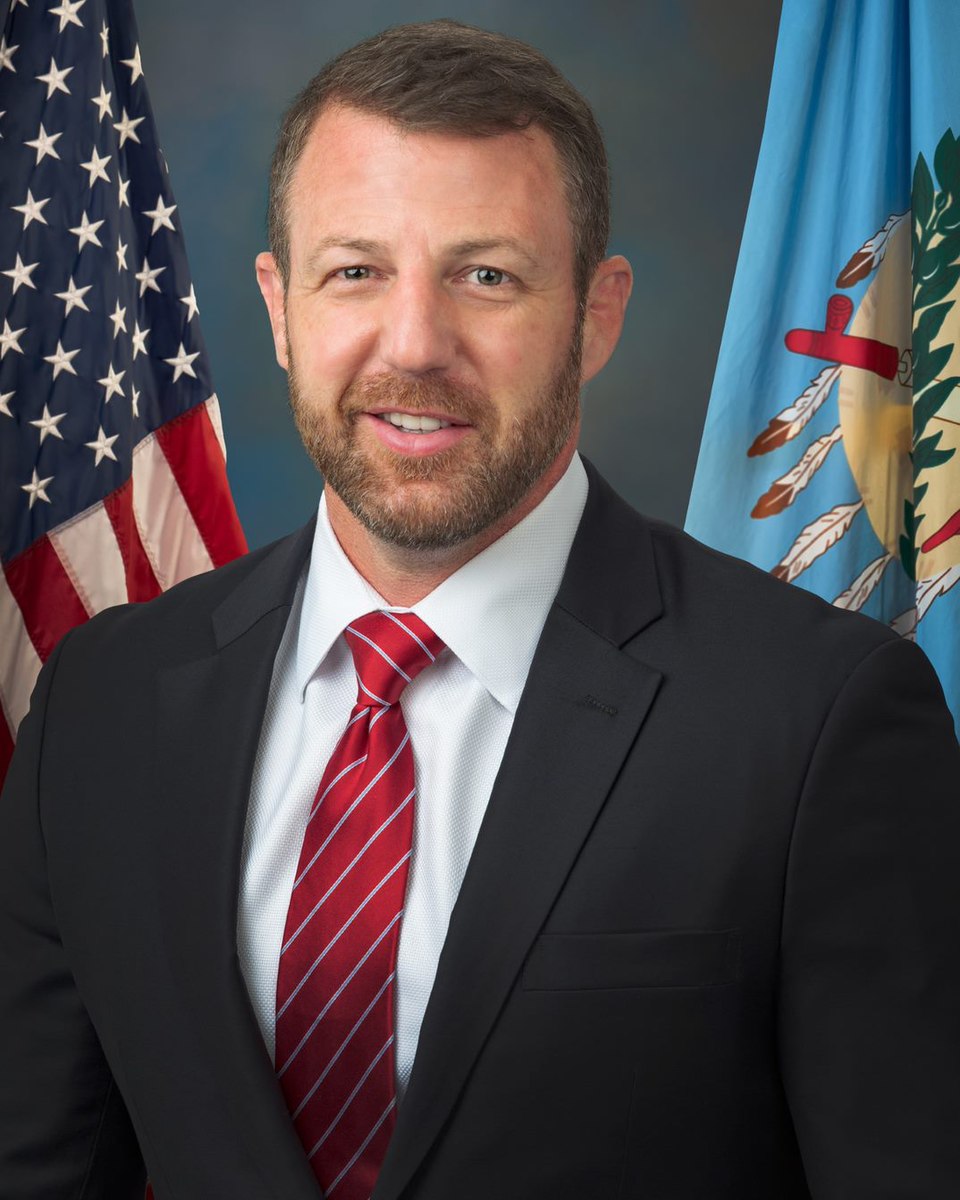
From Octagon to Capitol Hill: Unpacking Markwayne Mullin's Historic Cherokee Journey
In the bustling world of American politics, where diverse backgrounds converge to shape national discourse, few journeys are as distinctive and impactful as that of Markwayne Mullin. From the disciplined arena of mixed martial arts (MMA) to the hallowed halls of the U.S. Senate, Mullin's trajectory is a testament to resilience, business acumen, and a deep connection to his Cherokee heritage. His rise represents a significant moment in history, as he became the first Native American U.S. Senator since 2005 and only the second Cherokee citizen to serve in the Senate since 1925. Understanding Markwayne Mullin's past is crucial to appreciating his current role and the unique perspective he brings to Washington.
The Early Years: Roots, Resilience, and the Ring
Born on July 26, 1977, in Tulsa, Oklahoma, Markwayne Mullin's formative years were steeped in the rich cultural tapestry of his home state and the close-knit community of Westville. The youngest of seven children, his unusual first name is a blend honoring two paternal uncles, a unique detail that hints at the distinctive path he would forge. After graduating from Stilwell High School, Mullin embarked on a journey that would equip him with a diverse skill set long before his political ambitions took root.
Mullin's early career showcased a keen entrepreneurial spirit. He built and operated several businesses, demonstrating an understanding of economics, management, and the demands of the private sector. However, perhaps the most unexpected chapter in Markwayne Mullin's past was his foray into mixed martial arts. Competing professionally, Mullin developed a reputation for discipline, strategic thinking, and an unwavering will to succeed – traits that would later serve him well in the grueling world of politics. The physical and mental fortitude honed in the octagon undoubtedly contributed to his tenacity in other ventures.
From Business Leader to Congressional Representative
Mullin's transition from the business world and MMA to politics began with a commitment to public service and community welfare. His experience as a job creator and a competitor provided him with a unique lens through which to view policy and governance. In 2013, Mullin was elected to represent Oklahoma's 2nd congressional district in the U.S. House of Representatives. During his decade of service as a Representative, he focused on issues pertinent to his constituents, including economic development, energy policy, and tribal affairs.
His time in the House allowed him to build a legislative record and gain invaluable experience in the intricacies of federal law-making. It also set the stage for a more significant step in his political career. Mullin's consistent advocacy for Oklahoma and his growing understanding of national issues positioned him as a strong contender for higher office, illustrating a clear trajectory for his political ambitions from his earlier days.
A Historic Leap: The U.S. Senate and Cherokee Representation
In a special election in 2022, Markwayne Mullin achieved a historic victory, securing a seat in the United States Senate to complete the remainder of Jim Inhofe's term. This achievement was not merely a personal milestone but a significant moment for Native American representation in federal government. As a proud citizen of the Cherokee Nation, Mullin's election marked the return of an Indigenous voice to the Senate after an 18-year absence. His presence in such a prominent national forum underscores the evolving landscape of American politics and the increasing recognition of diverse perspectives.
Mullin's role as a Cherokee senator brings a unique understanding of tribal sovereignty, land rights, and the complex historical relationship between Native American nations and the U.S. government. For many, his elevation to the Senate symbolizes progress and a renewed opportunity for Indigenous issues to be heard directly at the highest levels of government. This aspect of Markwayne Mullin's past and present defines much of his unique contribution.
Navigating History: Mullin's Comments on Indian Territory
One of the most notable discussions involving Senator Mullin recently centered on his comments regarding the historical context of Indian Territory during a congressional hearing. These remarks sparked a wider debate about land ownership, tribal sovereignty, and the often-painful history between indigenous peoples and the U.S. government. Mullin, drawing on his Cherokee heritage, offered a perspective that focused on land allotments received by tribal citizens during the Dawes Act era, suggesting a form of original ownership.
However, this perspective immediately brought to light the deeply complex and contentious history of Indian Territory. Prior to Oklahoma's statehood in 1907, much of the region was indeed designated as Indian Territory, serving as a forced relocation site for numerous Native American tribes, including the Cherokee, Choctaw, Chickasaw, Creek, and Seminole, during the devastating period known as the Trail of Tears. Within this territory, tribes initially established their own sovereign governments, laws, and economies.
The Dawes Act, enacted in the late 19th century, fundamentally altered this landscape. While it did allot individual parcels of land to tribal members, its primary intent was to dismantle communal tribal land ownership, diminish tribal sovereignty, and open up vast tracts of what was deemed "surplus" land to non-Native settlers. Historians and tribal leaders often emphasize that this act led to immense land loss for tribes and significantly eroded their self-governance, rather than affirming original ownership in a way that truly benefited tribal nations in the long term. For a deeper dive into this historical context, consider reading Markwayne Mullin's Indian Territory Comments: A Historical Analysis.
The controversy surrounding Mullin's statements highlights the profound sensitivities involved in discussing this chapter of American history. It underscores how historical interpretations continue to shape contemporary policy and discussions around tribal rights and land management. Mullin's office later clarified his remarks, reaffirming his commitment to tribal sovereignty and his pride in his heritage, but the incident demonstrated the ongoing need for nuanced and historically informed dialogue. The complexities of this issue, and Senator Mullin's role within it, are further explored in Markwayne Mullin: A Cherokee Senator on Tribal Land & Sovereignty.
Practical Insight: Understanding these historical narratives is vital not just for policy makers but for all citizens. Engaging with primary sources and diverse historical perspectives helps foster a more complete and empathetic understanding of our nation's past and its ongoing impact on current events and communities.
Conclusion: A Voice for Oklahoma and Beyond
Markwayne Mullin's journey from an MMA fighter and businessman to a U.S. Senator is undeniably unique. His path, deeply intertwined with his Cherokee heritage and the history of Oklahoma, showcases a blend of determination, entrepreneurial spirit, and a commitment to public service. His presence in the Senate provides a powerful voice for his constituents and, critically, for Native American communities across the nation. While navigating the complexities of historical narratives and contemporary policy, Mullin continues to shape discussions on issues ranging from economic development to tribal sovereignty, marking him as a significant figure in American politics whose unique Markwayne Mullin past continues to inform his present and future contributions.