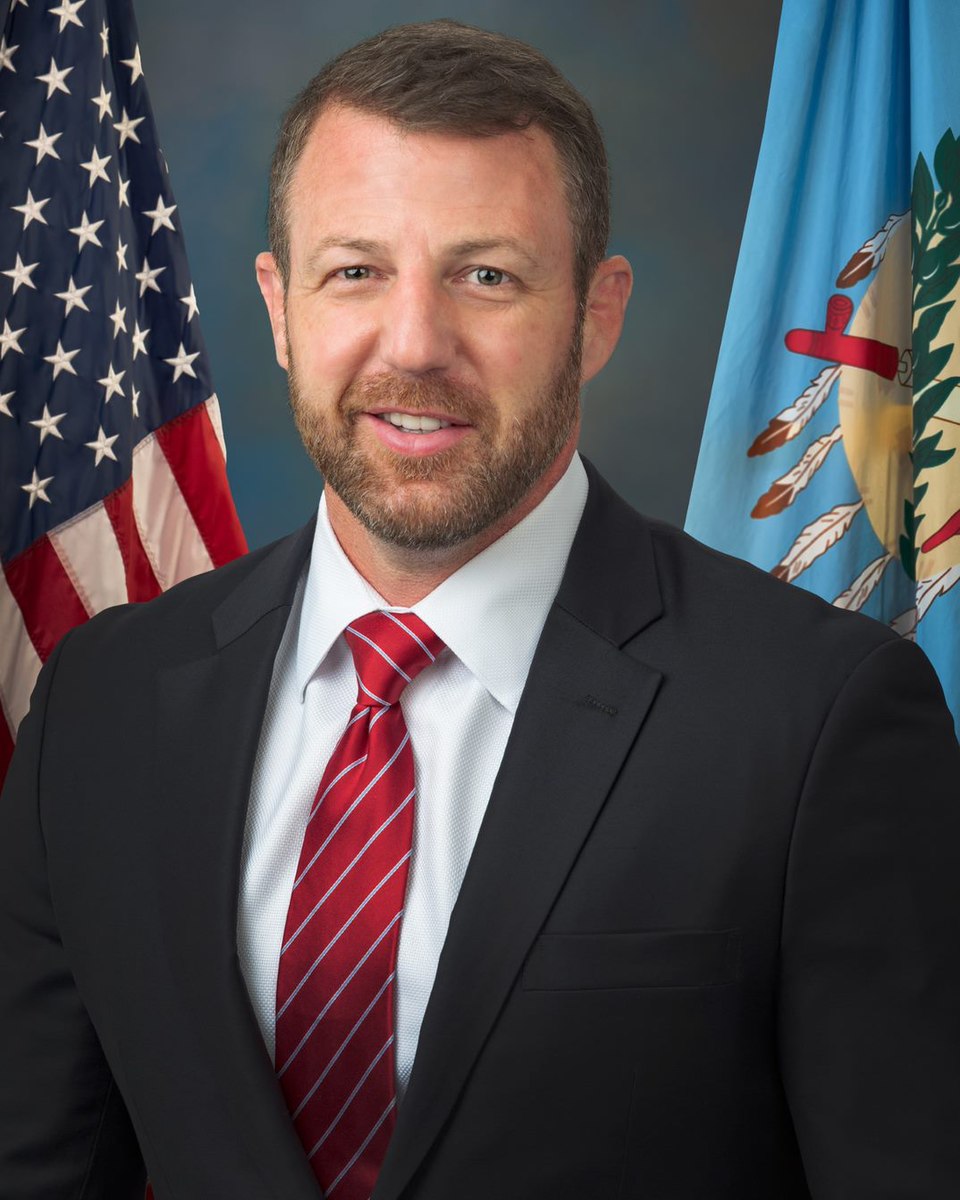
Markwayne Mullin: A Cherokee Senator Forging a Unique Path
Senator Markwayne Mullin of Oklahoma holds a distinct position in the U.S. Senate, not only as a Republican representing his state but also as a proud citizen of the Cherokee Nation. His journey from diverse backgrounds, including professional MMA and business, to the halls of Congress reflects a unique American story. However, it's his role as a Native American legislator, navigating complex issues of tribal land and sovereignty, that often brings his **markwayne mullin past** and heritage into sharp focus, particularly when discussing the sensitive history of Indian Territory. His comments on these topics have ignited important conversations, underscoring the enduring legacy of historical injustices and the ongoing struggle for tribal rights in contemporary America.
From Entrepreneur to U.S. Senator: The Markwayne Mullin Past
Born on July 26, 1977, in Tulsa, Oklahoma, Markwayne Mullin's early life and career path diverged significantly before leading him to politics. His upbringing in Westville, Oklahoma, instilled a strong work ethic, evident in his diverse professional ventures. Mullin is famously known for his past as a professional mixed martial arts (MMA) fighter, a testament to his discipline and resilience. Beyond the octagon, he built a successful business empire, founding and operating multiple companies, including a plumbing business. This entrepreneurial spirit and real-world experience formed a significant part of the **markwayne mullin past** that would later inform his political philosophy.
Mullin's foray into the political arena began with his election as the U.S. Representative for Oklahoma's 2nd congressional district in 2013, a position he held until 2023. His commitment to public service culminated in his historic election to the U.S. Senate in a special election in 2022, filling the remainder of Jim Inhofe's term. As a member of the Cherokee Nation, Mullin made history, becoming the first Native American U.S. Senator since Ben Nighthorse Campbell retired in 2005, and only the second Cherokee citizen elected to the Senate since 1925. This historic achievement further solidifies the significance of his Native American identity within his political career. To learn more about his fascinating transition, read
From MMA to Senate: Markwayne Mullin's Historic Cherokee Journey.
Unpacking the Past: Indian Territory, Land Allotments, and Sovereignty
The historical context of what is now Oklahoma, particularly the period known as Indian Territory, is crucial to understanding the debates surrounding tribal sovereignty and land ownership. This complex history forms the backdrop against which Senator Mullin's discussions often take place.
The Painful Legacy of Indian Territory
Before Oklahoma achieved statehood in 1907, much of the region was designated as Indian Territory. This was not a voluntary designation but a consequence of forced removals. In the 19th century, numerous Native American tribes, including the Cherokee, Choctaw, Chickasaw, Creek, and Seminole, were forcibly displaced from their ancestral lands in the southeastern United States. This brutal process, infamously known as the Trail of Tears, resulted in immense suffering, disease, and loss of life for thousands of indigenous people.
Upon arrival in Indian Territory, these resilient tribes established sophisticated governments, legal systems, and thriving economies, operating with a significant degree of self-governance and sovereignty. This period represented a crucial, albeit forced, attempt by tribes to rebuild their lives and maintain their distinct cultural identities. However, this autonomy was continually threatened and eventually eroded by subsequent U.S. federal policies designed for assimilation and land division.
The Dawes Act and Its Enduring Impact on Tribal Lands
A pivotal moment in the history of tribal land ownership was the Dawes Act of 1887 (also known as the General Allotment Act). This legislation profoundly impacted Native American tribal structures and land holdings. While Senator Mullin's comments have sometimes touched on the idea that tribal citizens received land allotments during this era, implying a form of original ownership justifying current property divisions, the historical reality is far more nuanced and often tragic.
Historians and tribal leaders generally agree that the Dawes Act, despite its stated aim of integrating Native Americans into mainstream American society, was primarily designed to:
- Break up communally held tribal lands into individual parcels.
- Diminish the collective power and sovereignty of tribal governments.
- Open up "surplus" tribal lands to non-Native settlers, often through dubious means.
This process led to a catastrophic loss of land for tribes, estimated at nearly two-thirds of their communal holdings between 1887 and 1934. It further undermined tribal self-governance and inflicted lasting economic and cultural damage. For a deeper dive into the historical complexities, see
Markwayne Mullin's Indian Territory Comments: A Historical Analysis.
Bridging History and Policy: Markwayne Mullin's Role
Senator Mullin's remarks regarding Indian Territory and land ownership have sparked significant debate, highlighting the deep sensitivities inherent in discussing this painful chapter of American history. His unique position as a Cherokee Senator from Oklahoma places him at the nexus of these discussions.
The Nuances of Mullin's Comments
During congressional hearings, Mullin has engaged with the historical context of Indian Territory, at times emphasizing aspects like individual land allotments under the Dawes Act. While his intentions may be to frame discussions around contemporary property rights, critics have argued that such statements can inadvertently downplay the systemic injustices and forced dispossession that characterized federal Indian policy. The key tension lies in reconciling individual land ownership claims with the broader historical context of communal tribal lands and the federal government's role in their erosion.
The ensuing discussions often reveal a fundamental difference in historical interpretation:
- For many tribal members and historians: The history of Indian Territory is one of broken treaties, forced relocation, land theft, and the systematic dismantling of tribal sovereignty. The Dawes Act, in this view, was a tool of oppression, not empowerment.
- For some perspectives: There's an emphasis on individual land grants and a desire to move beyond what they perceive as antiquated historical grievances to focus on present-day property rights and economic development.
Mullin's office has clarified his remarks on several occasions, reaffirming his commitment to tribal sovereignty and expressing pride in his Cherokee heritage. These clarifications underscore the delicate balance he seeks to strike between his political role as an Oklahoma senator and his identity as a Native American leader, navigating the complex interplay of historical narratives and modern governance.
Looking Forward: The Ongoing Dialogue on Tribal Rights
The debates ignited by Senator Mullin's comments are not merely academic discussions about the past; they have tangible implications for contemporary policy. For Native American communities, the history of Indian Territory is a living legacy that continues to shape critical issues.
The Enduring Relevance of Tribal Sovereignty
Today, tribal sovereignty remains a cornerstone of Native American identity and self-determination. It encompasses the right of tribes to govern themselves, manage their lands, develop their economies, and preserve their cultures. The historical assaults on sovereignty, from forced removals to the Dawes Act, continue to influence contemporary challenges:
- Land Management: Issues of land trusts, environmental protection, and resource development often hinge on the historical context of land ownership and treaty rights.
- Economic Development: Tribal enterprises, gaming operations, and other economic initiatives are often tied to the ability of tribes to exercise sovereign control over their territories.
- Legal Jurisdiction: The extent of tribal court jurisdiction and law enforcement authority over tribal lands and members is a perpetually evolving area of law and policy.
Practical Tips for Understanding this Complex History:
Engaging with this history respectfully and effectively requires an understanding of its multifaceted nature.
- Seek Diverse Perspectives: Don't rely on a single narrative. Read historical accounts from both Native American scholars and mainstream historians.
- Understand the Nuances of "Sovereignty": Recognize that tribal sovereignty is not merely a historical concept but a living legal and political reality that predates and co-exists with federal and state governance.
- Connect Past to Present: See how historical policies like the Dawes Act continue to affect land ownership, wealth distribution, and social issues in Native American communities today.
- Engage with Tribal Voices: Listen to and amplify the perspectives of tribal leaders and community members, who are the living inheritors of this history.
Senator Mullin's unique background, including his **markwayne mullin past** as a businessman and Cherokee citizen, positions him to play a crucial role in these ongoing dialogues. His engagement, even when controversial, serves as a reminder that the past is never truly past, especially when it comes to the rights and identities of indigenous peoples.
In conclusion, Markwayne Mullin's journey to the U.S. Senate is a story of determination and historic achievement. As a Cherokee Senator from Oklahoma, he occupies a unique and significant space in American politics. His engagement with the complex history of Indian Territory, tribal land, and sovereignty underscores the enduring importance of these issues for Native American communities and the nation as a whole. While debates about historical interpretations can be contentious, they are vital for fostering a deeper understanding, promoting reconciliation, and ensuring that the principles of tribal sovereignty and self-determination are upheld in the future.