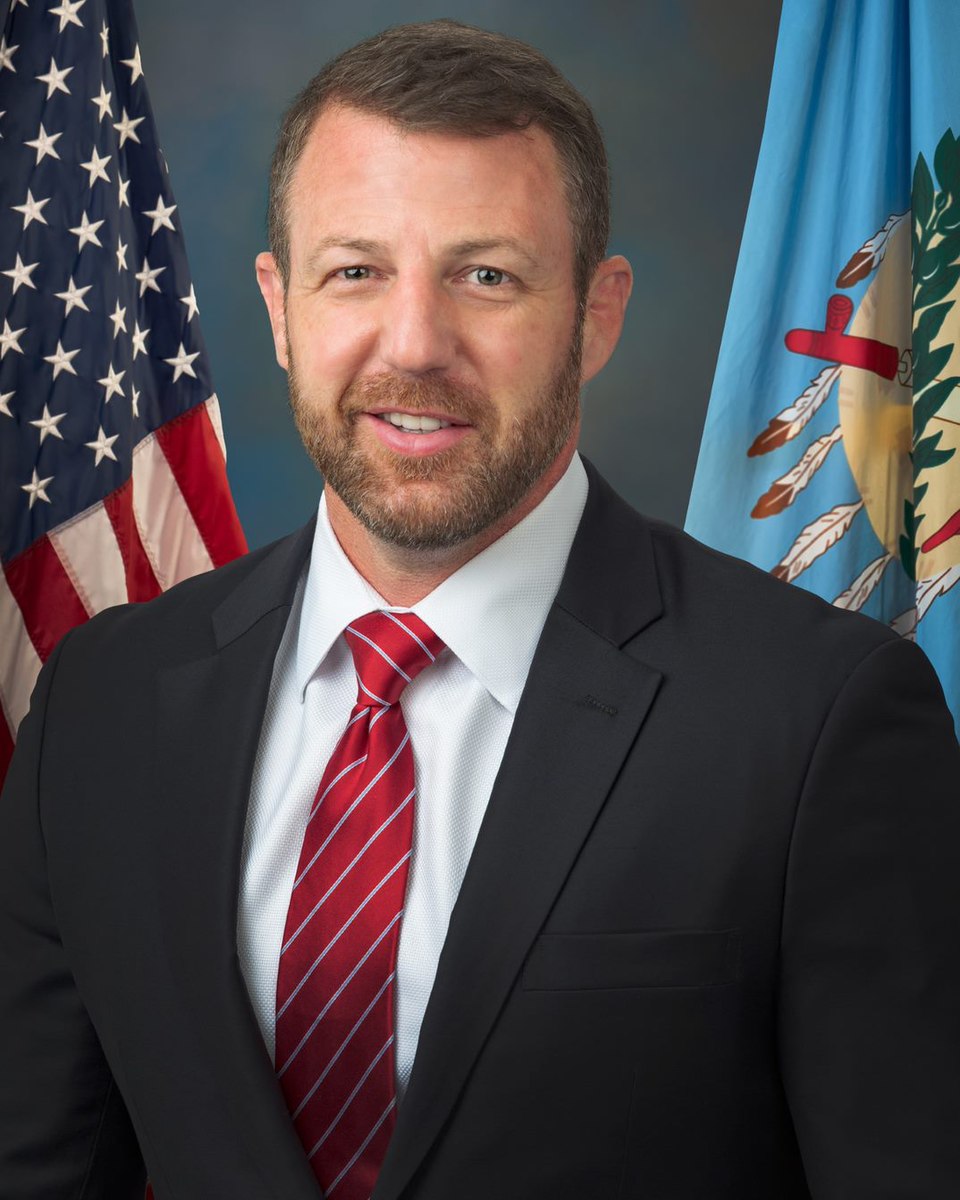
Senator Markwayne Mullin, a prominent figure in Oklahoma politics and a proud citizen of the Cherokee Nation, has often found himself at the intersection of historical interpretation and contemporary policy. His remarks concerning the historical context of Indian Territory have ignited significant debate, bringing the often-painful narrative of Native American land ownership and sovereignty back into the national spotlight. Examining Markwayne Mullin's past comments offers a crucial lens through which to understand the enduring complexities surrounding indigenous rights in the United States.
Mullin, who serves as Oklahoma's junior United States Senator, has a unique perspective as a Native American politician navigating issues deeply rooted in his heritage. Born in Tulsa, Oklahoma, in 1977, Mullin’s life journey, from a businessman and former MMA fighter to a U.S. Senator, is intertwined with the history of his home state, a place once almost entirely designated as Indian Territory. His discussions on this historical period, particularly regarding land allotments, have sparked conversations that underscore the deep sensitivities involved in discussing the legacy of U.S. federal policies towards indigenous peoples.
Markwayne Mullin's Comments and the Spark of Debate
During a congressional hearing, Senator Mullin made statements that focused on the idea that many tribal citizens received land allotments during the Dawes Act era, implying a form of original ownership that, in his view, might inform or even justify current property divisions. His remarks, coming from a Cherokee Senator, created a ripple effect, drawing both scrutiny and support.
Critics quickly argued that Mullin's interpretation risked oversimplifying or even downplaying the severe injustices faced by Native Americans, particularly concerning land cessions and forced removals. The notion of "original ownership" via the Dawes Act, while seemingly a recognition of individual property rights, historically served a much darker purpose: the systematic dismantling of communal tribal lands and the erosion of self-governance. This perspective highlights the critical difference between receiving an allotment under duress and truly owning land in a sovereign context.
Understanding Markwayne Mullin's views on tribal land and sovereignty necessitates a deeper dive into the historical backdrop that shapes these discussions. While his office later clarified his remarks, emphasizing his commitment to tribal sovereignty and pride in his Cherokee heritage, the initial controversy brought to the forefront the challenges of reconciling historical narratives with contemporary political discourse, especially when those narratives involve profound historical trauma.
Unpacking the Historical Landscape: Indian Territory Before Oklahoma Statehood
To truly grasp the weight of Mullin’s comments, one must understand the tumultuous history of Indian Territory. Prior to Oklahoma's statehood in 1907, a vast expanse of land in what is now Oklahoma was set aside for various Native American tribes. This wasn't a voluntary migration; it was the culmination of aggressive U.S. federal policy during the 19th century that mandated the forced relocation of tribes from their ancestral lands in the southeastern United States.
The most infamous chapter of this relocation is the Trail of Tears. This harrowing journey saw the Cherokee, Choctaw, Chickasaw, Creek, and Seminole nations — often referred to as the Five Civilized Tribes due to their adoption of many aspects of European American culture — marched westward under brutal conditions. Thousands perished from disease, starvation, and exposure. Upon arrival in Indian Territory, these resilient nations began to rebuild, establishing sophisticated governments, legal systems, schools, and economies. For a time, they operated with a significant degree of sovereignty, independent of direct U.S. state control, albeit under the overarching eye of federal treaties.
This period of relative self-governance, however, was fleeting. The inexorable westward expansion of the United States, coupled with its assimilationist policies, steadily chipped away at tribal autonomy. The land, once promised "as long as the grass grows and the rivers run," became coveted by non-Native settlers, leading to new policies designed to open it up for settlement and eventually pave the way for Oklahoma's statehood.
The Dawes Act: A Closer Look at Allotment and Erosion of Sovereignty
At the heart of Mullin's controversial comments lies the General Allotment Act of 1887, more commonly known as the Dawes Act. This landmark legislation, rather than being a benevolent act of granting "original ownership," was a calculated federal strategy with multifaceted aims:
- Breaking up Communal Lands: The primary goal was to dismantle the traditional communal land ownership systems central to tribal societies. By dividing reservations into individual parcels (allotments) and assigning them to tribal members, the act sought to assimilate Native Americans into Euro-American agricultural practices and private property norms.
- Diminishing Tribal Sovereignty: The Dawes Act directly undermined the authority of tribal governments over their lands. By shifting ownership from the tribe to individual members, the federal government aimed to weaken tribal unity and self-governance.
- Opening "Surplus" Lands: A critical outcome, and perhaps an underlying intention, was the designation of millions of acres of "surplus" land (land remaining after allotments were made to tribal members) that could then be purchased by non-Native settlers. This led to massive land loss for Native American tribes.
- Forced Assimilation: The act was part of a broader policy designed to "civilize" Native Americans, compelling them to abandon their cultural traditions, languages, and governance structures in favor of American ways of life.
Therefore, while some tribal members did receive individual land parcels, this process was fundamentally coercive and resulted in a net loss of tribal land and a severe blow to sovereignty. It created a complex "checkerboard" pattern of land ownership—some parcels tribal, some individual Native American, some non-Native—that continues to plague land management and jurisdictional issues on and near reservations today.
Insight: Understanding the Dawes Act requires recognizing its context within a broader federal policy aimed at dispossessing Native Americans of their lands and cultures, rather than simply as a mechanism for land distribution. The "ownership" granted was often a tool of assimilation and divestment, not empowerment.
The Living Legacy: Why Historical Interpretation Matters Today
The debate ignited by Senator Mullin's comments underscores a crucial truth: for many Native Americans, the history of Indian Territory and the Dawes Act is not a relic of the past but a living legacy that profoundly shapes their present and future. This historical context directly impacts contemporary issues such as:
- Tribal Rights and Jurisdiction: The erosion of tribal sovereignty facilitated by acts like Dawes continues to influence debates over legal jurisdiction, treaty rights, and the extent of tribal governance over their own territories.
- Land Management and Economic Development: The complex land ownership patterns created by allotment make economic development, resource management, and conservation efforts on tribal lands incredibly challenging.
- Cultural Preservation and Identity: The forced assimilation policies inherent in the Dawes Act have had lasting effects on Native American languages, traditions, and cultural practices. The struggle to reclaim and revitalize these aspects of identity is ongoing.
- Federal-Tribal Relations: Accurate historical understanding is paramount for fostering respectful and equitable relationships between the U.S. government and tribal nations. Misinterpretations can perpetuate harm and mistrust.
Mullin's subsequent clarifications, emphasizing his commitment to tribal sovereignty, reflect an understanding of these deep sensitivities. However, the initial reaction to his statements highlights the urgent need for a nuanced and accurate portrayal of this painful chapter of American history.
Practical Tip: To better understand these complex historical narratives, seek out resources created by Native American scholars, tribal historians, and indigenous organizations. These perspectives often provide crucial context that can be missing from mainstream historical accounts, offering a more complete picture of the indigenous experience.
Conclusion
Markwayne Mullin's comments on Indian Territory, while sparking controversy, have inadvertently provided a valuable opportunity to revisit and re-examine a critical period in American history. The history of Indian Territory, the forced removals along the Trail of Tears, and the devastating impact of the Dawes Act are not merely academic topics; they are foundational to understanding the ongoing struggles and triumphs of Native American nations today. As Senator Mullin himself navigates these complex discussions as a Cherokee citizen and a U.S. Senator, his "markwayne mullin past" statements serve as a poignant reminder that historical interpretations have profound real-world consequences, shaping policy, identity, and the very fabric of tribal sovereignty in the 21st century. Engaging with this history thoughtfully and respectfully is essential for fostering a more just and informed future.